


Tummy Tuck in Pretoria | Dr Deon Weyers
A tummy tuck removes loose abdominal skin and repairs stretched muscles, which exercise and diet cannot do. Dr Deon Weyers sees Pretoria patients at our Fourways practice.
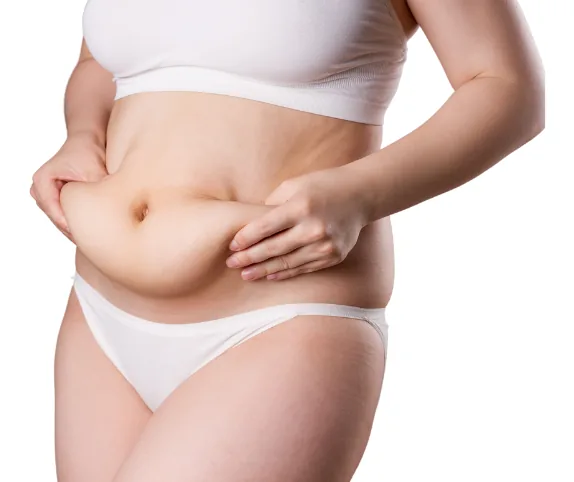
A tummy tuck, or abdominoplasty, is a surgical procedure to create a firmer, flatter abdomen. Excess skin and fat between the belly button and the pubic area are removed, the abdominal wall muscles are tightened, and the remaining skin is redraped. It is commonly considered after pregnancy or significant weight loss.
The practice sees patients from Pretoria at its single Fourways practice in Johannesburg. Every consultation, procedure and follow-up is with Dr Deon Weyers personally; there is no handoff to a junior associate.
Credentials You Can Trust




Book an Online Consultation
The practice will respond to your enquiry.
Credentials You Can Trust
Reviews You Can Trust


Choosing a plastic surgeon is a highly personal decision. Our consistent patient feedback and 4.9-star Google rating reflect the high standard of care, professionalism and patient experience you can expect with Dr Deon Weyers.

Tummy Tuck for Patients in Pretoria
Tummy tuck candidates from Pretoria travel to the practice for assessment, surgery and follow-up. The operation is the same as for any other patient; what matters is whether your anatomy, health and goals fit the procedure.
An abdominoplasty addresses three things that diet and exercise cannot: loose skin, stretched or separated abdominal muscles, and stubborn fat in the lower abdomen. Dr Deon Weyers performs tummy tucks within the practice’s body contouring family, either on their own or as part of a mommy makeover. For a broader overview of the procedure, see the main tummy tuck page.
- Abdominoplasty
- Muscle repair
- Full or mini
- Hospital setting
- Single surgeon
For patients travelling from Pretoria, the assessment, the surgery and the early follow-up all happen at Life Fourways Hospital in Johannesburg, around 50 km from the Pretoria CBD. After a hospital stay of around 2 to 3 nights, patients typically stay in the Johannesburg area for the first week so they can be reviewed directly before travelling home. Patients based in Johannesburg itself can read the tummy tuck Johannesburg page.
Recovery is gradual. Most of the visible swelling settles over the first weeks, a compression garment is typically worn for about a month, and full recovery, including the scar maturing, takes 6 to 12 months. Timelines depend on the extent of surgery and whether other procedures are combined.
What a Tummy Tuck Involves
Through a low incision placed to sit within underwear lines, excess skin and fat are removed and the abdominal wall muscles are tightened. In a full abdominoplasty the belly button is repositioned through a separate incision so it sits naturally on the tightened skin.
The aim is a firmer, flatter abdominal contour, not weight loss. A tummy tuck is best suited to patients who are close to a stable weight and whose concern is loose skin and muscle laxity rather than fat alone.
A tummy tuck is body contouring surgery, not a weight-loss procedure. It removes loose skin and repairs the abdominal wall; liposuction alone cannot do either.
Full vs Mini Tummy Tuck
Full Abdominoplasty
Addresses loose skin, fat and muscle separation both above and below the belly button, with a hip-to-hip incision and repositioning of the belly button.
Suited to more extensive skin excess, often after pregnancy or significant weight loss. Performed in hospital under general anaesthesia.
Mini Abdominoplasty
Treats a limited area of loose skin and bulging below the belly button through a shorter incision, usually without moving the belly button.
Suited to a small, lower-abdominal concern only. Which option applies is decided at consultation, not in advance.
| Aspect | Full Abdominoplasty | Mini Abdominoplasty |
|---|---|---|
| Who it suits | Loose skin and fat above and below the belly button, with separated abdominal muscles | Loose skin and a small bulge confined to the area below the belly button |
| Incision | Low, hip-to-hip incision placed to sit within underwear lines, plus an incision around the belly button | Shorter low incision; the belly button is usually not repositioned |
| Muscle repair | Tightening of the abdominal wall muscles above and below the belly button | Tightening limited to the lower abdominal wall, where needed |
| Anaesthesia and setting | General anaesthesia in a hospital theatre | General anaesthesia in a hospital theatre |
| Theatre time | Typically 2 to 3 hours, longer if combined with other procedures | Usually shorter than a full abdominoplasty |
| Hospital stay | Typically 2 to 3 nights | Often shorter; confirmed at consultation |
| Which applies | Decided at consultation after examination | Decided at consultation after examination |
The Tummy Tuck Process
A tummy tuck is performed in a hospital setting under general anaesthesia. Dr Deon Weyers performs every step personally, with no handoff to junior colleagues.
Consultation and assessment
An examination at the Fourways practice covering skin quality, fat distribution, the abdominal wall muscles, any existing scars and your goals. Dr Deon Weyers confirms whether a full or mini abdominoplasty fits and agrees a written operative plan.
Pre-operative preparation
Blood tests and a medical review where indicated, guidance on stopping nicotine and pausing medication that affects bleeding, and a discussion of clot-prevention measures with the anaesthetist.
Surgery
Under general anaesthesia at Life Fourways Hospital, excess skin and fat between the belly button and the pubic area are removed, the abdominal muscles are tightened, and the skin is redraped and closed along a low incision. The procedure typically takes 2 to 3 hours.
Hospital stay
A stay of around 2 to 3 nights in hospital is usual, with early mobilisation to reduce the risk of blood clots and nursing support while drains and pain are managed.
Recovery and follow-up
A compression garment is typically worn for about a month. Review visits take place at the practice, so patients from Pretoria usually stay in the Johannesburg area for the first week before travelling home. Full recovery is gradual, over 6 to 12 months.
Who is a Candidate for a Tummy Tuck
A tummy tuck is most often considered by adults in good general health who have loose abdominal skin or separated muscles that have not responded to diet and exercise, and who are at or near a stable weight.
- Loose skin after pregnancy – Stretched skin and abdominal muscles that have not recovered after having children
- Skin excess after weight loss – Overhanging or loose lower abdominal skin after significant weight loss
- Muscle separation – A rounded or bulging abdomen caused by stretched abdominal wall muscles
- Stable weight – At or near a weight you can maintain, as further weight change affects the result
- Finished having children – Future pregnancy can stretch the repaired muscles and skin again
- Good general health – Non-smokers or those willing to stop before and after surgery; controlled medical conditions
Candidacy for any surgical procedure is assessed in person. The assessment is what determines the plan, not the page.
Candidacy is Assessed in Person, Not From a Web Page
A web page can describe what a tummy tuck does and who it tends to suit. It cannot replace an examination. The first step is a scheduled consultation at the Fourways practice, where Dr Deon Weyers reviews your abdomen, your goals and your medical history before recommending a plan.
- Bring your medical history.Including chronic conditions, previous abdominal surgery or caesarean sections, current medication and whether you smoke.
- Be ready to discuss timing.Allow around two weeks off desk work and longer before strenuous activity. Plan the date around work, travel and family commitments, including help at home with children.
- Plan for Pretoria to Johannesburg travel.You will be in hospital for around 2 to 3 nights and should stay in the Johannesburg area for about a week afterwards. Arrange accommodation and someone to drive you.
- Understand what the procedure can and cannot do.A tummy tuck tightens and contours the abdomen and leaves a permanent low scar. It is not a substitute for weight loss.
What a Tummy Tuck Costs
The cost of a tummy tuck depends on whether a full or mini abdominoplasty is needed, the operative time, the length of the hospital stay and whether other procedures are combined. The practice’s published range for tummy tuck and body contouring procedures is shown on the tummy tuck prices in Pretoria page. Your cost is confirmed only after consultation, and a written quote is provided once the operative plan is agreed.
The quote covers the surgical fee, hospital and theatre costs and the anaesthetic. Items such as pre-operative blood tests, compression garments, prescription medication, additional nights in hospital or revision surgery are itemised separately where they apply.
Cosmetic abdominoplasty is generally not covered by South African medical aids. A functional or reconstructive indication may attract cover; the practice advises on this once the indication is established.
Misconceptions to Clear Before Booking
A tummy tuck is often described in ways that blur what it actually does. A few common misconceptions are worth clearing before you book.
Risks and Possible Complications
Recognised Risks of a Tummy Tuck
General surgical risks: bleeding, haematoma, infection, asymmetry and the possible need for revision surgery.
Blood clots: deep vein thrombosis (DVT) and pulmonary embolism are recognised risks after abdominal surgery. Early walking, compression and, where indicated, medication are used to reduce this risk.
Wound and scar risks: seroma (a fluid collection under the skin), delayed wound healing, wound breakdown, and a scar that widens, thickens or sits differently from what was planned.
Belly button and sensation: changes in the shape or position of the belly button, healing problems around it, and numbness or altered sensation of the lower abdominal skin, which may be long-lasting.
Anaesthetic risks: covered in detail at the pre-operative assessment with the anaesthetist.
What Reduces Risk
- Stop nicotine – before and after surgery; smoking impairs wound healing and raises the risk of skin and wound complications.
- Reach a stable weight – before surgery; planned weight loss or a future pregnancy can change the result.
- Walk early and wear compression – as instructed, to lower the risk of clots and help swelling settle.
- Attend every follow-up – so problems such as a seroma are picked up and treated early.
Red-flag symptoms that need urgent contact: calf pain or swelling, shortness of breath or chest pain, a sudden increase in abdominal pain or swelling, fever, spreading redness, foul discharge from the incision or a darkening of the skin near the wound. The practice provides contact details for out-of-hours concerns after surgery.
Medical disclaimer. This page is general information and does not replace a face-to-face consultation. Surgical decisions require an in-person assessment, a full consent discussion and the individual medical advice of your surgeon and anaesthetist.
Tummy Tuck Pretoria: Frequently Asked Questions
Where will I be seen if I am coming from Pretoria?
At the practice’s single location in Fourways, Johannesburg, at Life Fourways Hospital. There is no branch in Pretoria. The consultation, the surgery and follow-up visits all take place at the same address.
Do I need to stay in Johannesburg after surgery?
Plan on a hospital stay of around 2 to 3 nights, then to remain in the Johannesburg area for roughly the first week so Dr Deon Weyers can review you before you travel back to Pretoria. You should not drive yourself home after surgery.
How long is the recovery?
Most patients walk, slightly bent, from the first day and return to desk work after about two weeks. A compression garment is typically worn for around a month, strenuous exercise is delayed for longer, and full recovery takes 6 to 12 months as swelling settles and the scar matures.
Will I need a full or a mini tummy tuck?
That is decided at consultation. A mini abdominoplasty only suits loose skin limited to the area below the belly button. Where loose skin, fat or muscle separation extend above the belly button, a full abdominoplasty is usually needed.
Will a tummy tuck remove stretch marks?
Stretch marks on the skin that is removed, usually below the belly button, go with it. Stretch marks on the remaining skin may look improved as the skin is tightened, but they are not removed.
Is a tummy tuck the same as liposuction?
No. Liposuction removes fat but does not remove loose skin or repair the abdominal muscles. A tummy tuck removes excess skin and tightens the muscles, and liposuction is sometimes combined with it. See the difference between liposuction and a tummy tuck.
Will medical aid cover a tummy tuck?
A cosmetic abdominoplasty is generally not covered by South African medical aids. Where there is a functional or reconstructive indication, cover is decided by the medical aid on receipt of a motivation, and the practice provides the documentation once the indication is established.
Can I have a tummy tuck before having more children?
It is usually advised to wait until you have finished having children and have reached a stable weight, because a later pregnancy can stretch the abdominal wall and skin again. This is discussed at consultation.
Speak to Dr Deon Weyers About a Tummy Tuck
Dr Deon Weyers is a board-certified plastic and reconstructive surgeon, registered with the Health Professions Council of South Africa and a member of APRASSA. He sees Pretoria patients at the practice’s single Fourways practice in Johannesburg. For an overview of options nationally, see tummy tuck in South Africa.
Call 011 875 1694
Office hours: Monday to Thursday 08:00 – 17:00, Friday 08:00 – 14:00 · send a message
Image credits: Hero, context and final panel image: about-the-practice-fourways-life-hospital-johannesburg.jpg, drdeon.co.za media library.