


Excess Skin Removal Surgery in South Africa | Dr Deon Weyers
After major weight loss, loose skin often stays behind even when the work is done. Excess skin removal surgery removes those folds and tightens what remains. Dr Deon Weyers sees patients from across South Africa at the Fourways practice in Johannesburg.
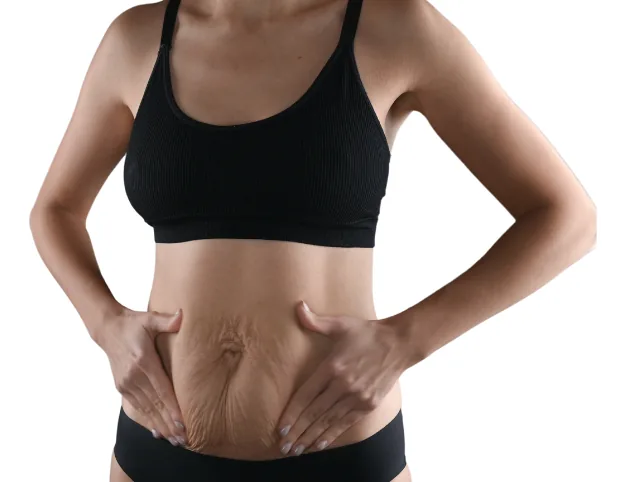
Losing a large amount of weight changes the body, but stretched skin does not always shrink back. Folds on the abdomen, arms, thighs or back can cause chafing, rashes and difficulty with clothing, as well as frustration about how the body looks after so much effort.
Excess skin removal is a group of body contouring procedures rather than one operation. Which ones suit you depends on where the skin is loose, your health and your priorities, and is decided with Dr Deon Weyers in person.
Credentials You Can Trust





Book an Online Consultation
The practice will respond to your enquiry.
Credentials You Can Trust
Reviews You Can Trust


Choosing a plastic surgeon is a highly personal decision. Our consistent patient feedback and 4.9-star Google rating reflect the high standard of care, professionalism and patient experience you can expect with Dr Deon Weyers.

Skin Removal Surgery in South Africa
Patients come to the practice from across South Africa for skin removal surgery after weight loss, whether that weight loss followed bariatric surgery, a medical programme or long-term lifestyle change.
The procedures used depend on where the skin is loose. The abdomen is usually treated with a tummy tuck (abdominoplasty), sometimes extended around the flanks. Loose upper arms are treated with an arm lift (brachioplasty), and the inner or outer thighs with a thigh lift. Where the skin is loose all the way around the lower trunk, a lower body lift combines several of these.
- After major weight loss
- Abdomen, arms, thighs and back
- Staged where needed
- Hospital setting
- Single surgeon
Surgery is usually planned once your weight has been stable for some time, so the result is not undone by further change. Where several areas need treatment, they are often done in stages rather than in one long operation.
Scars are the price of removing skin. They are placed where clothing usually covers them, but some will be visible, and they fade gradually over a year or more.
Procedures Used for Excess Skin
The procedures previously listed by the practice include abdominoplasty (tummy tuck), brachioplasty (arm lift), upper body lift, medial and lateral thigh lifts, lower body lift, and a circumferential tummy tuck (belt lipectomy).
Not everyone needs all of them. The plan is built around the areas that bother you most and the order that makes recovery manageable.
Excess skin removal is reshaping surgery for people who have already lost weight. It is not a weight-loss procedure in itself.
Skin Removal After Weight Loss vs Liposuction
Excess Skin Removal
Removes loose, stretched skin and tightens the underlying tissue through incisions placed in natural folds or under clothing.
Suited to people with significant skin laxity after weight loss. It leaves longer scars but addresses the skin itself.
Liposuction
Removes fat through small incisions. Liposuction suits people near their goal weight with good skin elasticity.
It does not remove loose skin, and after major weight loss it can make laxity more noticeable. The two are sometimes combined.
| Aspect | Excess skin removal | Liposuction |
|---|---|---|
| Main target | Loose, stretched skin | Localised fat |
| Typical patient | After major weight loss | Near goal weight with firm skin |
| Incisions | Longer, placed in folds or under clothing | Small entry points |
| Hospital stay | Usually 2 to 3 nights, depending on the procedure | Often shorter |
| Effect on loose skin | Removes it | Does not remove it |
How Excess Skin Removal Surgery is Planned and Performed
Dr Deon Weyers plans and performs every stage personally at Life Fourways Hospital.
Consultation
A full assessment of where the skin is loose, your weight history, nutrition and general health, and which areas matter most to you.
Planning and staging
The procedures are chosen and, where several areas are involved, the order and spacing of operations are agreed.
Surgery
Performed under general anaesthesia, occasionally with an epidural. Excess skin is removed and the remaining tissue tightened, with incisions placed where clothing usually covers them.
Hospital stay
Most patients stay 2 to 3 nights. Small drains may be used, and a compression garment is usually advised.
Recovery and follow-up
Healing time depends on the extent of surgery. Follow-up visits monitor the incisions and the progress of scars.
Who is a Candidate for Skin Removal Surgery
Timing and the surgical plan depend on your weight history and health, assessed in person.
- Stable weight – Weight that has been steady for some time, so the result lasts
- Troublesome skin folds – Loose skin causing chafing, rashes, hygiene problems or difficulty with clothing
- Good nutrition – Particularly after bariatric surgery, when healing depends on protein and nutrient levels
- Non-smoker – Or willing to stop well before and after surgery
- Accepts the scars – Understanding that removing skin means longer scars in exchange for a firmer contour
- Time to recover – Allowing for a hospital stay and several weeks of reduced activity
Suitability is confirmed at consultation, not from a web page.
Questions Worth Asking at Consultation
Excess skin removal is a significant undertaking. These questions help you plan it well.
- Which area should come first?The area causing the most daily discomfort is often the starting point, but safety and recovery also shape the order.
- Can areas be combined?Some combinations are reasonable in one operation; others are safer staged. Ask what applies to you.
- Where will the scars be?Ask to see the planned incision lines so you know what to expect.
- What support will I need at home?Plan help for the first weeks, especially after body lifts or combined procedures.
What Excess Skin Removal Costs
The practice publishes a range of R80,000 to R100,000 for excess skin removal procedures in Johannesburg, covering the surgeon, hospital, anaesthetist and surgical fees. Combined or staged plans are quoted individually; see excess skin removal prices in South Africa.
A written quote is issued after consultation, once the procedures and staging are agreed.
Where loose skin causes recurrent rashes, infection or functional problems, some medical aids consider partial funding on motivation. Cosmetic skin removal is generally self-funded.
Common Misunderstandings About Skin Removal Surgery
Clearing these up early leads to better planning.
Risks and Possible Complications
Recognised Risks of Excess Skin Removal
General surgical risks: bleeding, infection, and problems with wound healing, particularly where incisions meet or where tension is greatest.
Fluid and scarring: seroma (fluid collection), wound separation, and scars that widen, thicken or remain visible.
Contour and sensation: asymmetry, residual looseness that may need a later touch-up, and numbness near the incisions.
Blood clots: deep vein thrombosis and pulmonary embolism are recognised risks after body contouring, and preventive measures are part of the plan.
Anaesthesia: risks are discussed with the anaesthetist before surgery.
How You Can Reduce Risk
- Reach a stable weight – before surgery and keep nutrition up through healing.
- Stop smoking – well before surgery; nicotine is a major cause of wound problems.
- Walk early – and follow the clot-prevention plan you are given.
- Wear the garment – and look after drains and dressings as instructed.
Contact the practice urgently for: a wound that opens or leaks, fever, spreading redness, a painful swollen leg, chest pain or sudden shortness of breath. The practice gives you contact details for concerns outside office hours.
Medical disclaimer. This page is general information and does not replace a face-to-face consultation. Surgical decisions require an in-person assessment, a full consent discussion and the individual medical advice of your surgeon and anaesthetist.
Skin Removal Surgery South Africa: Frequently Asked Questions
Can you get surgery to remove loose skin after weight loss?
Yes. Excess skin removal surgery, including tummy tucks, arm lifts, thigh lifts and body lifts, is designed for exactly that. The right combination is decided at consultation.
How long after weight loss should I wait?
Until your weight has been stable for some time. Dr Deon Weyers will advise on timing based on your history, including after bariatric surgery.
Will I need to stay in hospital?
Most patients stay 2 to 3 nights, depending on the procedure.
Can arms and thighs be done at the same time?
Sometimes. Whether areas are combined or staged depends on the extent of surgery and your health.
Does medical aid cover skin removal surgery?
Cosmetic procedures are generally self-funded. Where loose skin causes recurring medical problems, some schemes consider partial cover on motivation.
Where can I see examples?
The excess skin removal before and after gallery shows individual cases. Results vary from person to person.
Is a tummy tuck the same as excess skin removal?
A tummy tuck is one of the excess skin procedures, focused on the abdomen. Combined with breast and body procedures it can form part of a mommy makeover for patients after pregnancy.
Speak to Dr Deon Weyers About Excess Skin Removal
Dr Deon Weyers is a board-certified plastic and reconstructive surgeon, registered with the Health Professions Council of South Africa and a member of APRASSA. He sees patients from across South Africa at the practice in Fourways, Johannesburg.
Call 011 875 1694
Office hours: Monday to Thursday 08:00 – 17:00, Friday 08:00 – 14:00 · send a message
Image credits: Hero, context and final panel image: about-the-practice-fourways-life-hospital-johannesburg.jpg, drdeon.co.za media library..