


Reconstructive Plastic Surgery for Burns and Trauma | Dr Deon Weyers
Burn and trauma scars can limit movement, affect the face and change how you feel in your own skin. Reconstructive plastic surgery aims to restore function first and improve appearance alongside it.
Dr Deon Weyers is a board-certified plastic and reconstructive surgeon whose practice includes the repair of tissue affected by burns and traumatic injury. Reconstruction is planned around what the scar is doing: tightening across a joint, pulling on an eyelid or lip, or leaving thick, raised or discoloured skin.
The practice is based at Life Fourways Hospital in Johannesburg and sees patients from across South Africa. Every assessment, operation and follow-up is with Dr Weyers personally.
Credentials You Can Trust





Request a Consultation
The practice will respond to your enquiry.
Credentials You Can Trust
Reviews You Can Trust


Choosing a plastic surgeon is a highly personal decision. Our consistent patient feedback and 4.9-star Google rating reflect the high standard of care, professionalism and patient experience you can expect with Dr Deon Weyers.

Burn Plastic Surgery and Trauma Reconstruction
Reconstructive burn surgery is rarely a single operation. It is a plan, often staged over months or years, that follows how the scar matures and how much it restricts daily life.
After a burn or traumatic wound has healed, the scar continues to change. Some scars soften and flatten on their own. Others thicken, widen or contract, drawing the surrounding skin tight. When a scar crosses the neck, shoulder, elbow, hand or knee, that tightening can limit how far the joint moves. On the face it can pull on the eyelids, nose or lips. Reconstructive plastic surgery addresses these problems with techniques chosen for the specific scar and site.
- Contracture release
- Skin grafts
- Local flaps
- Scar revision
- Staged reconstruction
Dr Weyers works within the practice’s reconstructive surgery family, which also covers scar and tattoo removal and fat transfer. Many patients combine surgical steps with non-surgical scar management such as silicone, pressure therapy and in-rooms treatments, which can make a meaningful difference on their own for some scars.
Surgery cannot remove a burn scar entirely. What it can do is release tight bands, replace or rearrange scarred skin so that movement improves, and make scars less noticeable. Setting realistic goals at the outset is an important part of the plan.
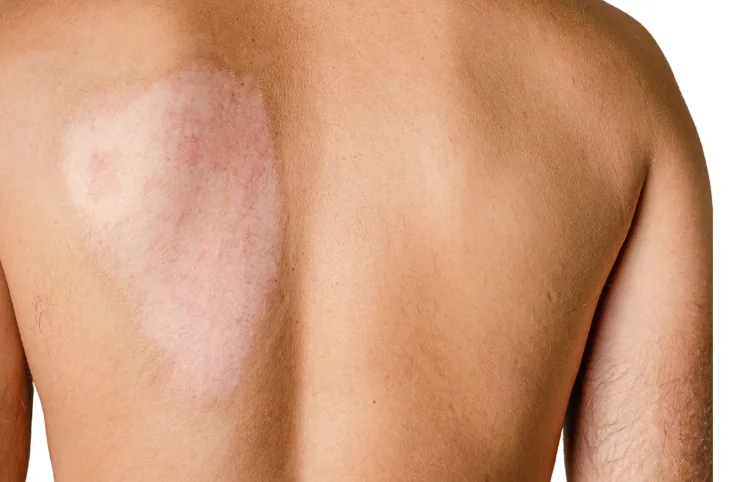
What Reconstruction Can Involve
Common techniques include releasing a contracture and covering the gap with a skin graft, rearranging adjacent skin with a local flap or Z-plasty so that the scar lengthens and changes direction, and excising or revising thick or wide scars. Fat transfer can soften tethered or depressed scars in selected areas.
The order of operations matters. Function usually comes first, for example freeing a tight neck or hand, followed by refinements to appearance once the tissue has settled.
The aim of burn and trauma reconstruction is better function and comfort first, with improved appearance alongside it. Scars can be improved; they cannot be erased.
Non-Surgical Scar Care vs Surgical Reconstruction
Non-Surgical Scar Care
Silicone gel or sheets, pressure garments, massage, steroid treatment for raised scars and in-rooms skin treatments. Used while a scar is still maturing and alongside surgery.
Suited to raised, red or itchy scars and to early scars that are still changing. Often the first step, and often continued after surgery.
Surgical Reconstruction
Contracture release with grafts or flaps, Z-plasty and other skin rearrangement, scar excision and revision, and fat transfer in selected areas.
Suited to scars that restrict movement, distort the eyelids, lips or nose, or remain thick or wide despite non-surgical care.
| Aspect | Non-Surgical Scar Care | Surgical Reconstruction |
|---|---|---|
| Main goal | Flatten, soften and calm a maturing scar | Release tightness, restore movement and reshape the scar |
| Typical timing | From the time the wound has closed, through scar maturation | Usually once the scar has matured, earlier if function is badly limited |
| Setting | At home and in rooms | Hospital theatre, usually under general anaesthesia |
| Downtime | Little or none | Depends on the site and technique; grafts need protection while they take |
| Often combined with | Surgery, before and after | Ongoing scar care and, where relevant, hand or physiotherapy |
How Burn and Trauma Reconstruction is Planned
Each plan is individual. The steps below describe the usual sequence; the number of operations depends on the scar, the site and your goals.
Assessment of the scar and its effect
Dr Weyers examines the scar, measures how it limits movement and discusses what troubles you most, whether that is tightness, discomfort, appearance or all three.
A staged plan
Priorities are agreed in writing, usually function first. Where several areas are involved, the order and spacing of operations are set out.
Surgery in hospital
Procedures are performed at Life Fourways Hospital, most under general anaesthesia, with grafts or flaps chosen for the site.
Healing and protection
Grafted or rearranged skin needs dressings and protection in the first weeks. Splints or pressure garments are used where they help.
Ongoing scar care and review
Scar management and, where relevant, hand or physiotherapy continue after surgery, with planned reviews as the tissue matures.
Who May Benefit From Reconstructive Burn Surgery
Reconstruction is considered for adults and, with their families, younger patients whose healed burn or traumatic scars cause problems that non-surgical care has not resolved.
- Restricted movement – A scar across the neck, armpit, elbow, hand or knee that limits how far the joint moves
- Facial distortion – Scars pulling on the eyelids, lips or nose, or causing patches of hair loss
- Thick or wide scars – Raised, widened or discoloured scars that remain despite scar care
- Unstable skin – Scarred skin that breaks down repeatedly or is uncomfortable
- Old trauma scars – Scars from accidents or previous injuries that you would like improved
- Realistic goals – Understanding that scars can be improved and movement restored, but not erased
Suitability, timing and the order of operations are decided at an in-person assessment.
Preparing for Your Reconstructive Consultation
A first consultation is about understanding your scar, your history and what you want to change. Bringing the right information makes that visit more useful.
- Bring your injury history.When and how the burn or injury happened, how the wounds were treated and any operations you have already had.
- Note what limits you.Movements that are difficult, areas that feel tight or uncomfortable, and anything that affects work, sleep or daily tasks.
- Ask about medical aid early.Reconstructive surgery is assessed differently from cosmetic surgery, and pre-authorisation can take time.
- Plan for staged care.Many patients need more than one procedure, spaced to allow healing in between. An online photo review can be a useful first step if you live far from Johannesburg.
Costs and Medical Aid for Reconstructive Surgery
The cost of burn and trauma reconstruction depends on the area, the technique, the number of stages and the time in hospital. A written, itemised quote is provided once Dr Weyers has examined you and the plan is agreed.
Because reconstructive surgery treats a functional problem, medical aids often consider it differently from cosmetic surgery. Cover depends on your scheme, your plan and the clinical motivation, and is decided by the medical aid, not the practice.
The practice prepares the clinical motivation and supporting documentation for pre-authorisation. Any amounts not covered by your scheme are explained in writing before surgery.
Common Misunderstandings About Burn Scar Surgery
People often come to a consultation with expectations shaped by what they have read. A few points are worth clarifying.
Risks and Possible Complications
Recognised Risks of Reconstructive Burn Surgery
General surgical risks: bleeding, infection, delayed healing and the need for further surgery.
Graft-related risks: part of a skin graft may not take and need further dressings or re-grafting. Grafted skin may differ in colour or texture from surrounding skin.
Flap-related risks: part of a flap may have a reduced blood supply and heal slowly.
Scar recurrence: released contractures can tighten again, particularly without splinting, pressure or therapy afterwards.
Sensation and donor site: altered sensation in the treated area and a healing wound or scar where graft skin was taken.
Anaesthetic risks: discussed with the anaesthetist before surgery.
What Helps Healing
- Keep dressings and splints as instructed – protecting a graft in the first days is essential to it taking.
- Avoid nicotine – which reduces blood flow to healing skin and grafts.
- Continue scar care and therapy – silicone, pressure and exercises help prevent tightening returning.
- Protect scars from the sun – healing skin marks and darkens easily.
Contact the practice promptly if you notice increasing pain, spreading redness, fever, a foul-smelling or discoloured wound, or a dressing that becomes soaked. For a new burn or acute injury, seek emergency care first; reconstruction is planned once the wounds have healed.
Medical disclaimer. This page is general information and does not replace a face-to-face consultation. Surgical decisions require an in-person assessment, a full consent discussion and the individual medical advice of your surgeon and anaesthetist.
Burn Plastic Surgery: Frequently Asked Questions
Can plastic surgery remove burn scars?
Not completely. Plastic surgery can release tightness, improve movement and make burn scars less noticeable, but every scar leaves some trace and each operation creates its own scar.
I have a new burn. Should I come to the practice?
A new or serious burn needs emergency care first, at a hospital emergency unit. Reconstructive surgery is usually planned once the wounds have healed and the scars have begun to mature.
How long after a burn can reconstruction be done?
Many reconstructive procedures are done once the scar has matured, often a year or more after the injury. Where a contracture badly limits movement, release may be considered earlier. Timing is decided at assessment.
Does medical aid cover burn reconstruction?
Reconstructive surgery that treats a functional problem is often considered by medical aids, subject to your scheme rules and a clinical motivation. The decision rests with the scheme; the practice provides the documentation.
What is a contracture release?
A contracture is a scar that has tightened and limits movement. Releasing it involves dividing the tight band and closing the resulting gap with a skin graft or rearranged adjacent skin so the joint can move more freely.
Can facial burn scars be improved?
Yes, in many cases. Burn face plastic surgery can release scars that pull on the eyelids, lips or nose and improve scar texture, usually in planned stages.
I live outside Johannesburg. How do I start?
Patients from across South Africa can begin with an online photo review, followed by an in-person assessment at Life Fourways Hospital in Johannesburg.
Speak to Dr Deon Weyers About Burn and Trauma Reconstruction
Dr Deon Weyers is a board-certified plastic and reconstructive surgeon, registered with the Health Professions Council of South Africa and a member of APRASSA. He sees patients from across South Africa at the practice’s Fourways rooms at Life Fourways Hospital in Johannesburg.
Call 011 875 1694
Office hours: Monday to Thursday 08:00 – 17:00, Friday 08:00 – 14:00 · send a message
Image credits: Hero, context and final panel image: about-the-practice-fourways-life-hospital-johannesburg.jpg, drdeon.co.za media library..