


Labiaplasty in South Africa | Dr Deon Weyers
Labiaplasty reduces or reshapes the labia minora when their size or shape causes physical discomfort or ongoing self-consciousness. Dr Deon Weyers sees patients from across South Africa at his Fourways practice.
Some women find that enlarged or uneven inner labia rub, twist or become irritated during exercise, cycling or in fitted clothing, or that excess tissue makes everyday hygiene more difficult. Others are troubled by how the area looks. A labiaplasty trims and reshapes the labia minora to address these concerns.
The consultation is private and unhurried, and the decision is always yours. Dr Deon Weyers, a board-certified plastic and reconstructive surgeon, carries out the assessment, the procedure and every follow-up himself at Life Fourways Hospital in Johannesburg.
Credentials You Can Trust






Book an Online Consultation
The practice will respond to your enquiry.
Credentials You Can Trust
Reviews You Can Trust


Choosing a plastic surgeon is a highly personal decision. Our consistent patient feedback and 4.9-star Google rating reflect the high standard of care, professionalism and patient experience you can expect with Dr Deon Weyers.

Labiaplasty in South Africa: What the Procedure Addresses
Variation in the size and shape of the labia is normal. Labiaplasty is not about meeting a standard; it is for women whose anatomy is causing them a real, persistent problem.
A labiaplasty, also called a labial reduction, removes excess tissue from the labia minora (the inner lips) and reshapes what remains so the edges are comfortable and more even. It belongs to the body contouring family of procedures at the practice, alongside procedures such as excess skin removal.
- Labia minora reduction
- Asymmetry correction
- Usually local anaesthetic
- Private consultation
- Single surgeon
The concerns patients describe tend to fall into two groups. Functional concerns include chafing or pain during sport, cycling or horse riding, discomfort in tight clothing or swimwear, discomfort during intimacy and difficulty keeping the area clean. Appearance concerns include one side being noticeably larger than the other, or tissue that protrudes and causes self-consciousness.
Many women live with these issues for years before asking about them. A consultation is simply a confidential conversation and examination; it does not commit you to surgery. If you would like to read more first, the practice has an article on what labiaplasty is and one on who tends to be a candidate.
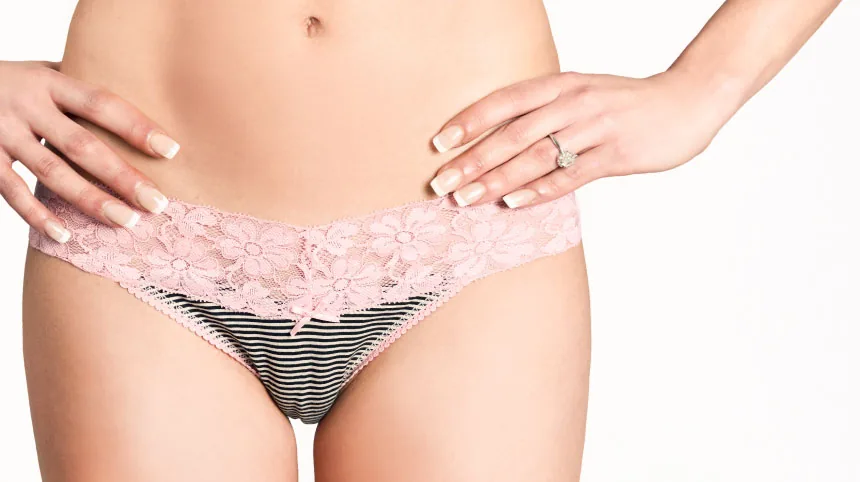
What the Procedure Involves
Excess tissue is removed from the labia minora and the remaining edges are closed with fine dissolving stitches. The plan is tailored to the individual: the aim is to relieve the problem while keeping the tissue natural and functional.
The procedure is usually performed under local anaesthetic and typically takes about one to two hours. Whether additional sedation or a theatre setting is more suitable is discussed at your consultation.
Labiaplasty is a personal decision made for your own comfort and wellbeing. A good consultation should leave you feeling informed and under no pressure either way.
Functional Concerns vs Appearance Concerns
When the Concern Is Physical Discomfort
Chafing, twisting or pain during exercise, in fitted clothing or during intimacy, and irritation from tissue that is hard to keep clean, are common reasons women ask about labiaplasty.
For these patients the main goal is comfort. The assessment focuses on how much tissue is causing the problem and how to reduce it while keeping a natural edge.
When the Concern Is Appearance
Some women are bothered by asymmetry or by tissue that protrudes, even without physical symptoms, and find it affects their confidence.
These concerns are valid too. The consultation explores what you hope will change and whether that is realistic, so expectations are clear before any decision.
| Aspect | Functional concerns | Appearance concerns |
|---|---|---|
| Typical description | Rubbing, pain or irritation with activity or clothing | Asymmetry or protrusion causing self-consciousness |
| Main aim | Comfort in daily life | A more even, balanced shape |
| Assessment focus | Which tissue is causing friction or hygiene problems | Proportion and symmetry |
| Procedure | Labia minora reduction, tailored to the patient | Labia minora reduction, tailored to the patient |
| Medical aid | Generally treated as elective; any functional motivation is the scheme’s decision | Elective and generally self-funded |
The Labiaplasty Process
Every stage is handled personally by Dr Deon Weyers, from the first conversation to the final review.
Confidential consultation
You describe your concerns in your own words, your medical history is reviewed and a private examination is carried out. The plan, likely recovery and cost are explained.
Preparing for surgery
You receive instructions on stopping smoking, pausing certain medications or supplements, and timing the procedure away from your menstrual period where possible.
The procedure
Excess tissue is removed from the labia minora under local anaesthetic, usually over one to two hours, and closed with fine dissolving stitches.
Going home
Most patients go home the same day. You will need someone to drive you and should wear loose, comfortable clothing.
Follow-up
You are reviewed at the practice to check healing. Concerns between visits are directed to the practice rather than left until the next appointment.
Who May Be a Candidate for Labiaplasty
Labiaplasty is considered for adult women in good general health whose labia minora cause physical discomfort or persistent distress, and who have realistic expectations of what surgery can change.
- Discomfort with activity or clothing – Rubbing or pain during exercise, cycling or in fitted clothes
- Hygiene difficulties – Excess tissue that makes the area hard to keep clean
- Noticeable asymmetry – One side clearly larger than the other
- Discomfort during intimacy – Tissue that is pulled or pinched
- Good general health – Non-smokers, or willing to stop around the time of surgery
- Realistic expectations – Understanding that natural variation remains after surgery
Suitability is always confirmed in person. If another treatment would be more appropriate, you will be told so.
Preparing for Your Consultation
A little preparation helps you get the most from a private, unhurried appointment.
- Note what bothers you most.Whether it is discomfort with particular activities, hygiene, appearance or a combination, it helps to say so plainly.
- Bring your medical history.Including medication, previous gynaecological procedures and whether you smoke.
- Think about timing.Allow around a week of lighter activity and about six weeks before strenuous exercise, cycling or intimacy.
- Ask every question you have.Including about sensation, scarring and recovery. No question is out of place.
What a Labiaplasty Costs
The cost depends on the extent of the procedure and whether it is done under local anaesthetic in the rooms or in a theatre setting. A written quote is provided after your consultation, once the plan is agreed.
The quote sets out the surgeon’s fee and any facility and anaesthetic costs. Items such as medication or additional visits are itemised separately.
Labiaplasty is generally treated as an elective procedure by South African medical aids. If you believe there is a functional reason for cover, the practice can explain what documentation your scheme may ask for, but the decision rests with the scheme.
Common Misconceptions About Labiaplasty
There is a lot of confusing information about labiaplasty. These points come up most often.
Risks and Possible Complications
Recognised Risks of Labiaplasty
General: bleeding, a blood collection, infection, slow healing and anaesthetic reactions.
Wound healing: the stitch line can occasionally open slightly and need extra care while it heals.
Shape: some asymmetry can remain, and occasionally a small revision is needed.
Sensation: temporary numbness or sensitivity is possible and usually settles.
Scarring: scars generally fade well in this area but can be tender for some weeks.
Looking After Yourself Afterwards
- Keep the area clean – with gentle rinsing as instructed, and pat dry.
- Wear loose cotton clothing – to reduce friction while the stitches dissolve.
- Avoid baths and swimming – until you are told healing allows.
- Hold off on exercise and intimacy – until you are cleared, often around six weeks.
Contact the practice promptly if you notice rapidly increasing swelling on one side, bleeding that does not settle with gentle pressure, fever, an unpleasant discharge or pain that is getting worse rather than better.
Medical disclaimer. This page is general information and does not replace a face-to-face consultation. Surgical decisions require an in-person assessment, a full consent discussion and the individual medical advice of your surgeon and anaesthetist.
Labiaplasty in South Africa: Frequently Asked Questions
What is the difference between labiaplasty and labial reduction?
They describe the same procedure. Labial reduction is a common way of describing labiaplasty of the labia minora, where excess tissue is removed and the edges reshaped.
Is labiaplasty done under general anaesthetic?
It is usually performed under local anaesthetic. Whether sedation or a theatre setting is more appropriate for you is discussed at your consultation.
How long does recovery take?
Swelling and discomfort are usually most noticeable in the first few days. Most patients resume normal daily activities within about a week, with complete healing typically around six weeks. The practice has a fuller article on labiaplasty recovery.
Will there be visible scars?
Incisions are placed along the edges of the labia and closed with fine dissolving stitches. Scars in this area generally heal well, although they can be tender for a few weeks.
When can I exercise or cycle again?
Gentle walking can start early. Strenuous exercise, cycling, horse riding and intimacy wait until healing allows, often around six weeks, and you will be advised at your follow-up.
Will medical aid pay for labiaplasty?
It is generally treated as elective. If you believe there is a functional reason for cover, the practice can explain what your scheme may need, but approval is up to the scheme.
Can I have a consultation if I am unsure?
Yes. A consultation is confidential and does not commit you to anything. Many women come in simply to understand their options.
Speak to Dr Deon Weyers About Labiaplasty
Dr Deon Weyers is a board-certified plastic and reconstructive surgeon, registered with the Health Professions Council of South Africa and a member of APRASSA. Consultations take place privately at his practice at Life Fourways Hospital in Johannesburg.
Call 011 875 1694
Office hours: Monday to Thursday 08:00 – 17:00, Friday 08:00 – 14:00 · send a message
Image credits: Hero, context and final panel image: about-the-practice-fourways-life-hospital-johannesburg.jpg, drdeon.co.za media library..