


Fat Transfer in South Africa | Dr Deon Weyers
Fat transfer, also called fat grafting, moves your own fat from an area where you have a reserve to an area that needs volume or repair. Dr Deon Weyers uses it in cosmetic and reconstructive surgery at his Fourways practice.
Because the material comes from your own body, a fat transfer avoids synthetic implants and filler material. Fat is gently harvested, prepared and placed in small amounts where it is needed, from the face and hands to the breasts, buttocks and areas affected by scarring or previous surgery.
Fat transfer sits within the reconstructive surgery family at the practice and is closely linked to Dr Deon Weyers’ special interest in regenerative medicine. Every consultation, procedure and follow-up is with him personally at Life Fourways Hospital in Johannesburg, for patients from across South Africa.
Credentials You Can Trust

Book an Online Consultation
The practice will respond to your enquiry.
Credentials You Can Trust
Reviews You Can Trust


Choosing a plastic surgeon is a highly personal decision. Our consistent patient feedback and 4.9-star Google rating reflect the high standard of care, professionalism and patient experience you can expect with Dr Deon Weyers.

Fat Grafting in South Africa: One Technique, Many Uses
Fat transfer is less a single operation than a technique used in many different procedures. This page explains how it works and points you to the page for the area you are interested in.
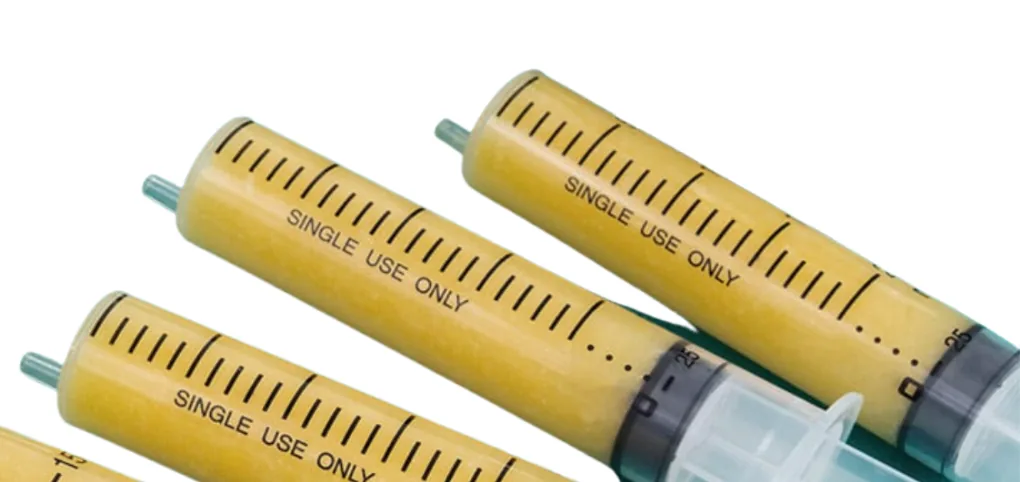
A fat transfer has two parts: a donor area, where a small amount of fat is removed with gentle liposuction, and a recipient area, where the prepared fat is placed. Common donor areas include the abdomen, flanks and thighs. The harvesting and preparation add theatre time, but they matter for how well the fat settles in its new place.
- Your own tissue
- No implant material
- Face, hands, breasts, buttocks
- Reconstructive uses
- Single surgeon
Where it is used: in the face to restore areas that look hollow or sunken, in the hands to soften visible veins and tendons, in the breasts to refine shape or soften the edges of an implant, in the buttocks as part of a Brazilian butt lift, and in reconstructive work to improve contour irregularities and tethered scars.
For specific procedures there are dedicated pages: fat transfer in Johannesburg, facial fat transfer, the stem cell facelift, which builds on fat grafting, and breast reconstruction.
How a Fat Graft Takes
Transferred fat needs a blood supply in its new location. It is placed in many small deposits so that each one sits close to healthy tissue, which gives it a better chance of establishing itself.
Not all of the transferred fat survives; some is naturally reabsorbed in the first months. For that reason the final result is judged after the swelling has settled, and some patients are advised that a further session may be helpful.
Fat transfer uses your own tissue to add volume or repair contour. It needs a suitable donor area, and its results are assessed once the body has settled, not on the day of surgery.
Cosmetic vs Reconstructive Fat Transfer
Cosmetic Fat Transfer
Used to restore or add volume where it has been lost or was never present, such as hollow cheeks and temples, ageing hands or the shape of the buttocks or breasts.
Elective and generally self-funded. Often combined with other procedures, such as a facelift or body contouring, when the plan calls for it.
Reconstructive Fat Transfer
Used to improve contour irregularities after previous surgery or injury, soften tethered scars, and refine the shape of a reconstructed breast.
Where there is a documented medical indication, a medical aid may consider a motivation. The decision rests with the scheme.
| Aspect | Cosmetic | Reconstructive |
|---|---|---|
| Typical aim | Restore or add volume and improve shape | Correct contour defects and improve scarred tissue |
| Common areas | Face, hands, breasts, buttocks | Breast after reconstruction, scars, post-surgical dents |
| Number of sessions | Often one; sometimes a top-up | Sometimes staged over more than one session |
| Funding | Generally self-funded | May be considered by medical aid on motivation |
| Setting | Theatre or rooms, depending on extent | Usually theatre, depending on extent |
The Fat Transfer Process
Dr Deon Weyers performs every step personally. The details vary by area, but the sequence is the same.
Assessment
The area you would like treated and the available donor areas are examined, and the plan, setting and anaesthetic are agreed.
Harvest
A small amount of fat is removed from the donor area through tiny incisions using gentle liposuction.
Preparation
The harvested fat is processed to separate it from fluid and damaged cells before it is reinjected.
Placement
The prepared fat is placed in many small deposits at different depths in the recipient area.
Recovery and review
Swelling and bruising are reviewed at the practice, and the result is assessed once the body has settled over the following months.
Who May Be a Candidate for Fat Transfer
Fat transfer is considered for adults in good general health who have a suitable donor area and a clear concern about volume or contour.
- Hollow or sunken facial areas – Where a longer-lasting option than temporary fillers is wanted
- Ageing hands – Thinning that makes veins and tendons prominent
- Breast contour – Softening implant edges or refining a reconstructed breast
- Buttock shape – As part of a Brazilian butt lift
- Contour irregularities – Dents or tethered scars after surgery or injury
- A suitable donor area – Enough fat elsewhere to harvest
Very lean patients may not have enough donor fat. That is checked at the consultation, along with alternatives if fat transfer is not suitable.
Choosing the Right Approach for Your Concern
Because fat transfer is used in so many ways, the most useful first step is to be clear about what you want to change.
- Name the area and the concern.For example, hollowness under the eyes, implant edges you can feel, or a dent after earlier surgery.
- Consider combining procedures.Fat transfer is often planned alongside a facelift, breast surgery or body contouring rather than on its own.
- Allow for settling time.Swelling settles over weeks and the result is judged over months.
- Discuss a possible second session.Some plans include a top-up once the first transfer has settled.
What a Fat Transfer Costs
Because fat transfer covers many different procedures, there is no single price. The cost depends on the areas treated, the amount of fat needed, the setting and whether it is combined with another procedure. A written quote is provided after consultation.
The quote covers the surgeon’s fee and any hospital or theatre and anaesthetic costs. Items such as compression garments or additional visits are itemised separately.
Cosmetic fat transfer is generally self-funded. Where it forms part of reconstruction with a documented medical indication, a medical aid may consider a motivation from the practice.
What People Often Get Wrong About Fat Transfer
These are the misunderstandings that come up most often at consultation.
Risks and Possible Complications
Recognised Risks of Fat Grafting
General: bleeding, infection, slower healing and anaesthetic reactions.
Recipient area: partial reabsorption, unevenness, small firm lumps or oil cysts.
Donor area: bruising, swelling, temporary numbness and occasional contour irregularity.
Uncommon but serious: fat entering a blood vessel, which careful technique aims to prevent.
Helping the Graft Settle
- Avoid nicotine – which reduces the blood supply the graft depends on.
- Protect the treated area – from pressure as advised in the first weeks.
- Wear compression on the donor site – if it is recommended.
- Keep your follow-up appointments – so settling can be checked.
Contact the practice urgently if you notice sudden severe pain, changes in skin colour over a treated area, changes in vision after facial treatment, fever or spreading redness.
Medical disclaimer. This page is general information and does not replace a face-to-face consultation. Surgical decisions require an in-person assessment, a full consent discussion and the individual medical advice of your surgeon and anaesthetist.
Fat Transfer South Africa: Frequently Asked Questions
Where can fat be transferred to?
Common areas include the face, hands, breasts and buttocks, as well as areas of contour irregularity or tethered scarring after previous surgery or injury.
Where is the fat taken from?
Usually from an area with a natural reserve, such as the abdomen, flanks or thighs. The choice is made at your assessment.
Is fat transfer done in hospital?
Smaller procedures may be done in the rooms; larger or combined procedures are done in theatre at Life Fourways Hospital. The setting and anaesthetic are agreed at consultation.
How long is the recovery?
Swelling and bruising are usually present for the first several days and largely settle within about two weeks, with normal routines often resuming by about four weeks. This varies with the areas treated.
Can fat transfer replace breast implants?
Fat can refine breast shape or soften the edges of an implant. Whether it can provide the change you want on its own is assessed individually.
Is facial fat transfer safe?
It is an established technique, but it carries risks like any surgery. The practice has an article on facial fat transfer safety and the risks are covered at consultation.
Do I need to live in Johannesburg?
No. Patients come from across South Africa to the practice at Life Fourways Hospital. An online photo review can be a helpful first step.
Speak to Dr Deon Weyers About Fat Transfer
Dr Deon Weyers is a board-certified plastic and reconstructive surgeon, registered with the Health Professions Council of South Africa and a member of APRASSA, with a special interest in regenerative medicine. He sees patients from across South Africa at Life Fourways Hospital in Johannesburg.
Call 011 875 1694
Office hours: Monday to Thursday 08:00 – 17:00, Friday 08:00 – 14:00 · send a message
Image credits: Hero, context and final panel image: about-the-practice-fourways-life-hospital-johannesburg.jpg, drdeon.co.za media library..